
Table of Contents
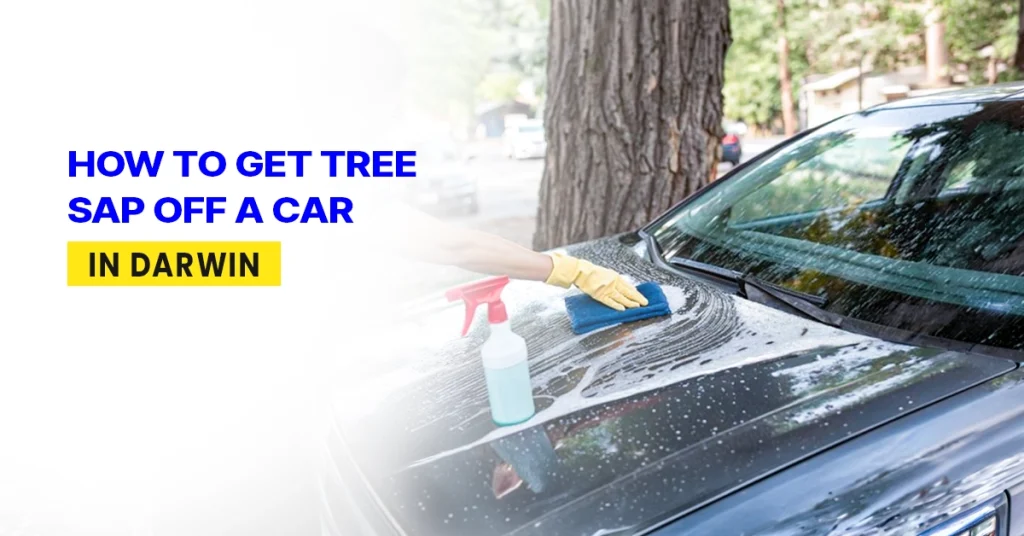
ToggleHow to Get Tree Sap Off a Car: Safe Paint Cleaning Tips
Found tree sap on your car? It might look like a harmless little spot, but it can become harder to remove if left untreated. Leave it in the sun for a day or two, and the sap can harden, making it much harder to remove from the clear coat. Try scrubbing it off and there’s a decent chance the paint underneath gets scratched up in the process.
The actual fix isn’t complicated. Clean the panel first. Use an automotive tree sap remover that is suitable for your car’s paint, along with a clean microfiber cloth. Go easy on the pressure. Razors, scouring pads, fingernails, none of that goes near the sap.
Here’s what this guide covers. What works for softening sap. How to remove hardened sap without damaging the clear coat. And how to protect the paint so the next drip from a tree takes thirty seconds, not a full hour.
Some sap just won’t shift, or the clear coat’s already etched before anyone spots it.
Some sap just won’t shift, or the clear coat’s already etched before anyone spots it. Territory Proud Mobile Cleaning offers mobile detailing for cars, boats, trucks, and caravans.
Bookings open daily.
Can Tree Sap Damage Your Car Paint?
Anyone who’s parked under a gum tree or a pine knows the deal. Sticky little droplets show up on the roof, the bonnet, sometimes the windscreen. The sap drips out of the bark and branches and lands on whatever’s below. At first it’s just tacky, wipes off with a finger almost. Then the sun gets on it. Heat builds up. As the sap dries, its resinous components can harden and become more difficult to remove, particularly in hot weather. In hot weather, tree sap can harden relatively quickly and become more difficult to remove from the paint. Can sap actually damage the clear coat? It can. Leave it sitting there long enough and it etches straight into the clear coat. In Darwin’s hot weather, leaving tree sap on your car can increase the risk of paint damage.
Sort it out straight away. Spotted drops? Damp microfiber, one quick pass, done. Fresh sap is generally easier to remove. If it dries and hardens, you may need a suitable sap remover and more time. Scrubbing at dried sap just gouges the clear coat. A decent product and a soft cloth handle what brute force can’t.
What Do You Need to Remove Tree Sap From a Car?
Not much gear needed. Car wash soap, a few clean microfiber cloths (the plush kind, 300 GSM or better, kept for paint only), and either a proper sap remover or isopropyl alcohol at 70% or above. That’s it. Skip the kitchen sponges. Skip the steel wool. The chemical does the work, the cloth just picks up what’s left.
Sort it out straight away. Spotted drops? Damp microfiber, one quick pass, done. Fresh sap is generally easier to remove. If it dries and hardens, you may need a suitable sap remover and more time. Scrubbing at dried sap just gouges the clear coat. A decent product and a soft cloth handle what brute force can’t.
Car Wash Soap and Microfiber Cloths
Wash the area first. Car wash soap and water with a microfiber mitt gets rid of the grit and dust sitting around the sap. This step matters because loose grit can scratch the clear coat when rubbed across the paint. Drag a cloth over that and the clear coat gets hundreds of tiny scratches. Hose the panel down first, every time.
A fresh microfiber’s the go-to. 300 GSM minimum, plush, car-specific. Lay the microfiber on the sap, give the remover a moment to dissolve it. Wipe one way, lift, fold to a clean side, go again. The cloth gets loaded with dissolved sap pretty quick. Once it’s gunky, swap for a fresh one or rinse it out. Pushing harder doesn’t help. It’s all about dwell time. The chemical does the heavy lifting.
Choosing a Safe Tree Sap Remover
A couple of options here. A dedicated automotive sap remover works best, something from Meguiar’s, Chemical Guys, or Turtle Wax. Or 70% isopropyl alcohol, used sparingly. What doesn’t belong anywhere near car paint? Acetone. Lacquer thinner. Brake cleaner. WD-40 on a fresh clear coat. Kitchen cleaners. Every one either eats the clear coat or leaves a worse residue than the sap.
For additional guidance, review the manufacturer’s vehicle paint care recommendations before using cleaning chemicals on your car’s paint.
How to Get Tree Sap Off a Car: Step-by-Step
This is patience over muscle. The sap doesn’t respond to force, it responds to dwell time. Below is the full sequence, from wash through to final rinse, in the order that actually works.
Step 1 — Wash the Affected Area
Get the car into shade. Let the paint cool down. Make sure the bonnet is cool to the touch before applying the cleaner. Hose the sap area with clean water, wash it with car wash soap and a microfiber mitt. This clears the grit. Drag a cloth over it and the clear coat gets scored.
Pat the panel dry with a clean microfiber. Don’t wipe, don’t drag. The hardened sap stays where it is for now. No fingernails, plastic cards, or scrapers near the paint at this point. The next step softens the sap up.
Step 2 — Apply a Suitable Tree Sap Remover
Pick something rated for automotive clear coats. Meguiar’s, Chemical Guys, Turtle Wax, any of those will do. Read the label. Some go on the cloth, others straight on the sap. Give it time to work. Allow the remover to work for the time specified on the product label Wiping too early gets nothing. Let it sit too long and the solvent dries up, leaving a film that’s a hassle to shift.
A couple of things to remember. Remover on hot paint just evaporates on contact. If the product dries on the surface, it may leave residue. Follow the label’s instructions for removing it. Not sure about a product? Check the product label and your vehicle manufacturer’s care recommendations before using a cleaner. If you’re unsure, consult a professional detailer.
Step 3 — Gently Wipe Away the Sap
With the remover dwelled, take the cloth. Lift, fold to a clean face, go again. That sap should lift off as a gummy, sticky strip. Not budging? More remover, give it another minute. Force isn’t the answer here. Chemistry and dwell time do the actual lifting.
What doesn’t belong here? Razor blades. Metal scrapers. Green Scotch-Brite pads. Stiff brushes. Scratches in the clear coat may require professional paint correction, depending on their depth. Keep folding the cloth to a clean section as it loads up, otherwise the dissolved sap gets spread back over the panel.
Step 4 — Rinse and Check the Paint
Wash the panel down with clean water. Pat dry using a fresh microfiber, don’t drag it. Any sap left? Put more remover on and go again. If a mark remains after the sap has been removed, it could be residue or damage to the clear coat. Have the area assessed if the mark persists. No amount of scrubbing sorts that out.
If the sap has left a stubborn mark or damaged the finish, mobile car detailing in Darwin may be worth considering.
How to Remove Dried Tree Sap Without Damaging Your Car
Sap that’s dried and baked on? A regular wash isn’t touching that. Soften it first with an automotive sap remover. Then work it off gradually. Going at it with something sharp or trying to lever it off just rips the clear coat to pieces.
Removing Stubborn or Hardened Tree Sap
Wash the spot first. Then get a sap remover that’s rated for automotive paint, put it on, and wait for the deposit to go soft and gummy. Once it does, wipe it off with a microfiber cloth. Patience is key. Avoid razors and scrapers, as they can scratch or damage the clear coat.
What to Do If the Sap Leaves a Stain
Stain still there after the sap’s gone? Hold off on harsh stuff. Wash, dry, look at what’s left.
Could be leftover sap residue. Could be real paint damage. Residue comes off with a mild cleaner and another pass. Actual paint damage? Pushing harder doesn’t fix that. That’s a job for a professional detailer.
How to Prevent Tree Sap From Damaging Your Car Paint
Stop sap landing on the paint and there’s nothing to clean. Two things matter: where the car’s parked, and how fast the sap gets wiped off.
Choose Safer Parking Spots
Garage or carport, obviously that’s ideal. Out on the street though, the move is parking away from trees. Sometimes there’s genuinely no choice and the car ends up under a gum or a pine. That happens. Every day or two, give the roof a look. Check the bonnet and windscreen too. Spot any sap? Don’t let it sit in the sun, get it off straight away.
Protect Your Car Paint and Clean Sap Early
Washing regularly helps. Wax, a sealant, or a ceramic coating though, that puts a barrier on the paint. Sap finds it harder to bond, and wiping off becomes easier. None of those are bulletproof. Sap can still grab onto a coated surface. Catching it early and wiping it off before it sets, that’s the actual fix.
Conclusion
Sap comes off with three things: the right remover, a soft microfiber, patience. Stick with safe cleaning and the paint stays unscratched. Spotted sap? Handle it right then. Don’t park under the same tree the next day either. For stubborn stains or etched clear coats, Territory Proud Mobile Cleaning has mobile car cleaning bookings available daily.
FAQs
Car wash soap and water on the area first, get it clean. Then a sap remover rated for car paint goes on. Give it the dwell time the label recommends. A soft microfiber does the wipe-off. Scrubbing aggressively or prying at it with something sharp, that’s what scratches paint.
Yeah, dried sap comes off. Soften it first with an automotive sap remover, then wipe gently. Didn’t all come off on the first pass? Reapply, wait, go again, following whatever the product label says. Razor blades and metal scrapers, those stay away from the paint entirely.
Isopropyl alcohol, rubbing alcohol, it can work on sap sometimes. The thing is, it’s not safe across all car paints and finishes. It’s worth checking what the manufacturer says first. And the safety info on the bottle matters. A dedicated automotive sap remover is the safer choice.
Left on there long enough, especially through hot sunny weather, sap can stain the paint or etch into the clear coat. Not every single drop causes permanent damage though. Getting it off fast keeps the risk right down. Stain still there after cleaning? That’s a professional detailer’s problem, not something more scrubbing fixes.
Wax, sealant, ceramic coating, each one does add a protective layer on there. And they make cleaning easier. But none of them make the car fully immune. Sap can still stick to a coated panel. Lands on a coated car? Clean it off quickly, using something that’s compatible with that particular coating type.
Check if there’s still sticky residue on there. If there is, clean it again with a suitable product, following the label. Stain’s still there after that? Probably paint or clear coat damage underneath, not surface grime. Don’t go hitting it with harsh chemicals or scrubbing harder. A professional car detailer can figure out what’s going on.

Masum Bellal Shuvo holds a BEng (Hons) in Aeronautical Engineering from the University of South Wales. He is the owner of Territory Proud Mobile Cleaning, a leading car detailing and cleaning service in Darwin and surrounding areas, including Palmerston, Coolalinga, and Humpty Doo.